
When is the right time for planting?
A few common sense considerations

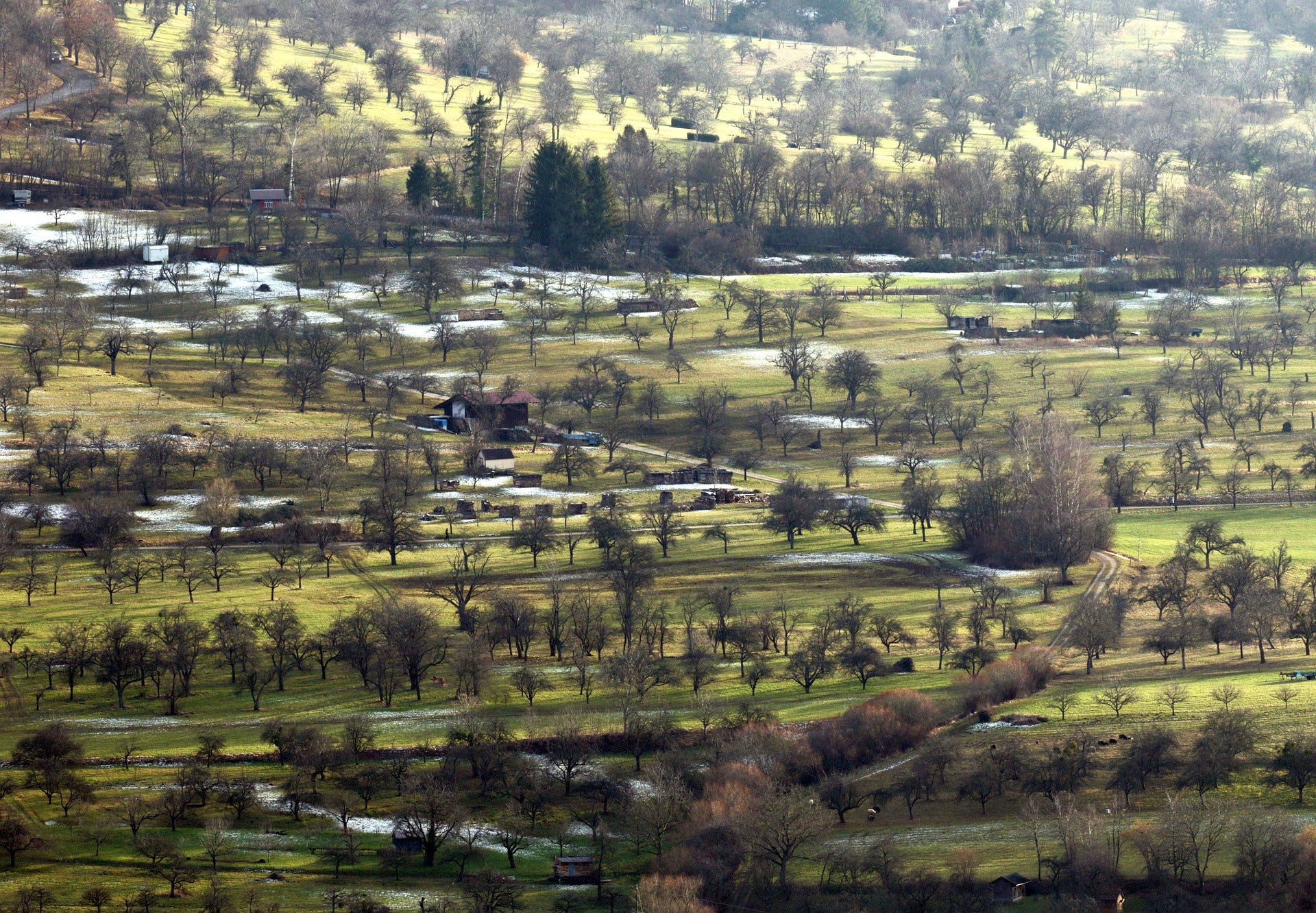
We often remain unreasonably attached to certain ideas when it comes to cultivation (and beyond). Not only do we perform certain operations in the garden without knowing precisely why, but we also often lack an understanding of the traditional timing of certain practices throughout the year, as if they were some kind of obscure rituals.
For instance, consider the planting of new plants in the garden or orchard. What is the best time to take action?
In my area, from late February to early March (around this time, in other words), the frenzy for fruit trees begins. Just as in May, when hordes of retirees flock to nurseries to grab zucchini and tomatoes for their vegetable gardens, during this late winter period the hoary horde is unleashed on apricot, cherry, peach, apple, and other fruit trees, which are relentlessly plundered (even by shopping malls). This is a seasonal atavistic phenomenon, like bird migrations.
Well, not long ago, in late January, a friend asked me, "I bought some fruit trees, should I wait until March to plant them?"
And why wait until March, I say.
Firstly, it's important to note that if the work is done expertly, plants can be planted at any time of the year. However, gardening in the summer poses more risks to the health and survival of plants and is more labor-intensive for the gardener.
Years ago, I found myself working with my master on a garden construction in the middle of July, despite our attempts to persuade the client to postpone the work until autumn. I remember a particularly challenging morning when we had to lay sod lawn that had been delivered by a refrigerated van and was at risk of fermenting if left stacked for too long. We had also to water the newly planted plants daily throughout most of the summer as they had not yet taken root in the soil. It was an arduous experience, but ultimately successful. However, I would never want to be in such a situation again.
Returning to the topic, what is the crucial element to consider when contemplating the timing of planting new plants in the garden? Water availability.
When you transplant a plant from a pot to the soil, its roots remain the same as they were in the container. Although the surrounding soil may be moister than the pot's walls, until the plant establishes new roots in the soil to absorb water, it essentially remains as if it is still in its pot and must therefore be treated and watered accordingly.
So, when is the best time to plant a new plant? Ideal conditions should include:
Regular atmospheric precipitation in form of rains.
Reduced water loss through transpiration.
The opportunity for plants to develop their root systems before the hot season, when they experience higher transpiration rates and potential drought conditions.
The topic of atmospheric precipitation is somewhat unpredictable. The frequency of rainfall depends on numerous factors, many of which have been changing in recent times. Generally speaking, in the temperate zone, the highest rainfall usually occurs in autumn and spring.
Regarding transpiration, the concept is simpler with deciduous plants, as leaf drop and the onset of dormancy coincide with a cessation of water loss through the foliage. For evergreen species, the situation is a bit different: their metabolism remains active even in adverse conditions, albeit at a slower pace, which also reduces the transpiration rate due to lower temperatures.
Lastly, let's consider root growth: it typically follows similar patterns to above-ground growth, with significant development in spring during the vegetative phase's resumption, and a smaller yet notable growth in early autumn during the second vegetative phase. Several studies also indicate that root growth occurs gradually and consistently as long as the soil temperature remains above 5°C (41°F).
Taking into account all these considerations, it is not difficult to conclude that the optimal period for safely planting a new plant typically ranges from the second half of autumn to the beginning of the new vegetative phase in early spring.
Fine, but what about icy places?
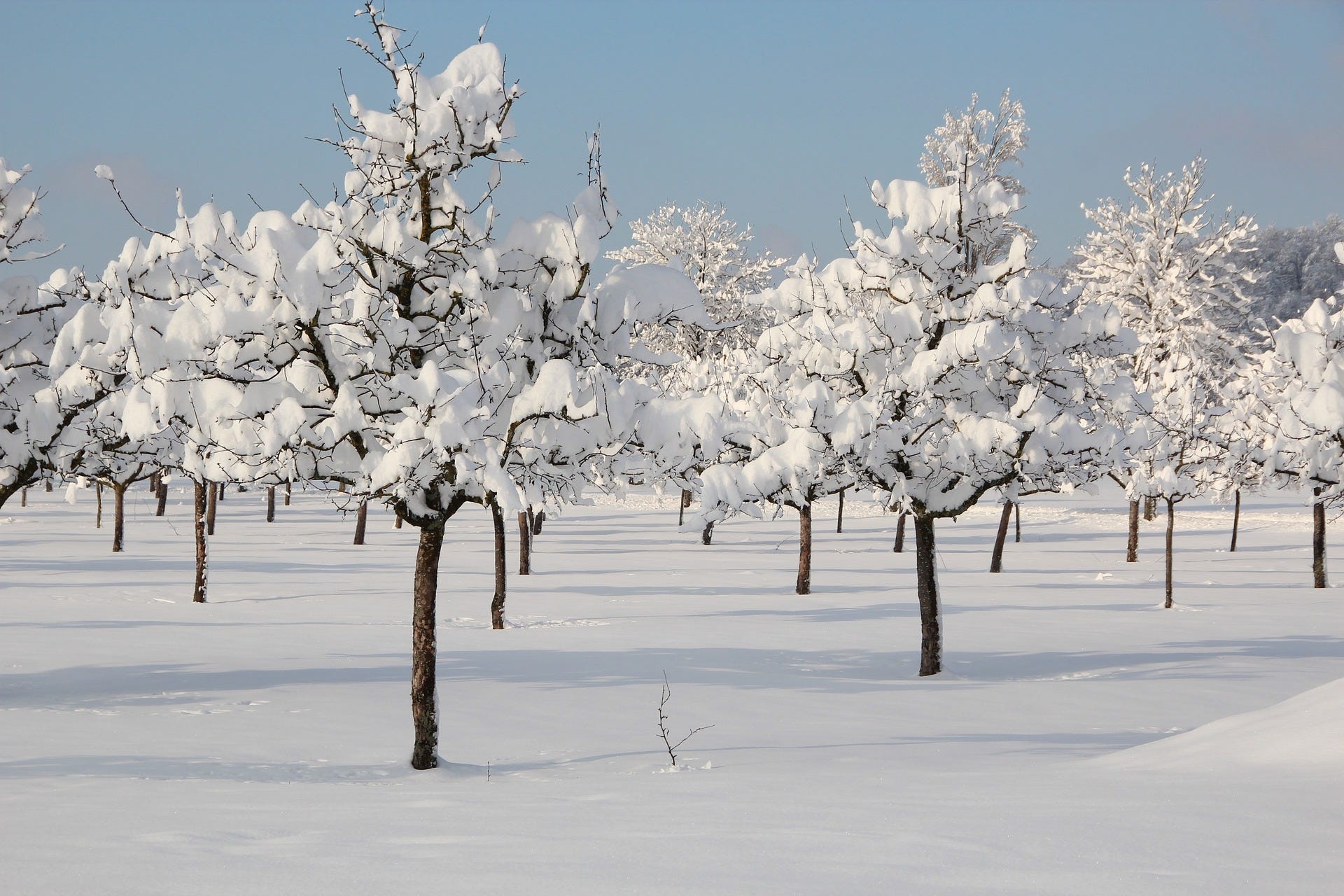
The roots of trees that typically thrive in temperate climates are not as resilient to extremely harsh weather conditions as their above-ground parts. Temperatures below -4°C to -7°C (20°F to 25°F) can prove fatal for them. Fortunately, the soil provides insulation, particularly when covered by a thick layer of snow or mulch, such as leaves. This insulation can often prevent the ground from reaching lethal temperatures during winter.
In regions prone to severe cold, like northern Europe or Minnesota, it's advisable to plant trees either before or after major cold spells. It's worth noting that planting can still be carried out even in the midst of winter, as long as the ground isn't completely frozen. Additionally, in such areas, it's beneficial to move potted perennials to sheltered locations to shield them from the full force of winter. This helps protect their roots from exposure to air temperatures significantly lower than those of the soil.
That’s it.
Don't ask me about tropical places because that's not my area of expertise!