
The fifth, tiny season
Plants enjoy it, humans are unaware of it

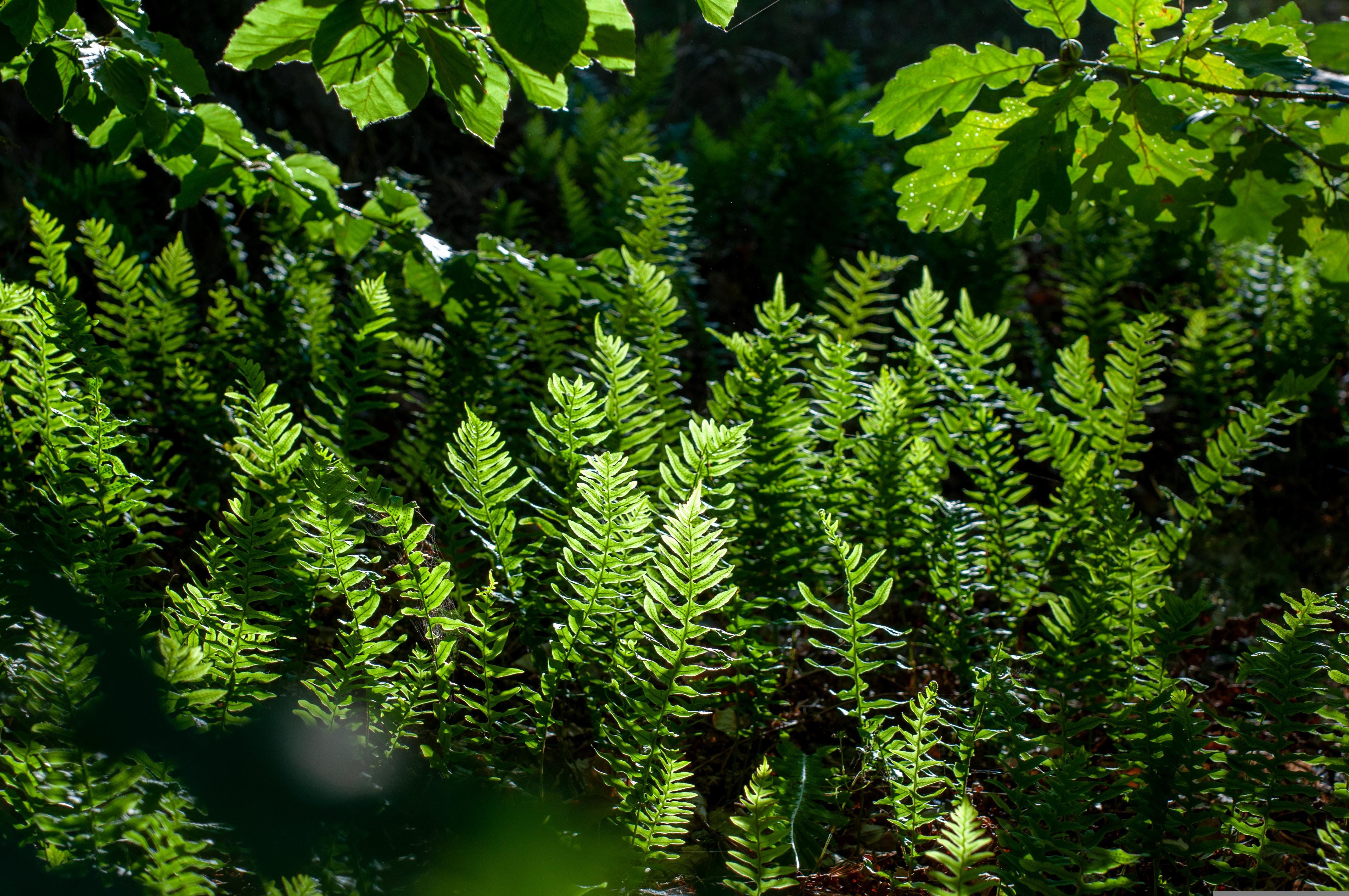
Aestivation is a phenomenon that occurs in plants exposed to particularly hot and arid summer seasons. It essentially involves a dormant phase, a metabolic stasis similar to what many plants experience during winter, and its purpose is to overcome the torrid adverse season by saving water and resources. While dormancy represents an “extreme” response, it's true that most plants in temperate climates tend to slow down their metabolism considerably during the hottest months of the year.
However, that's not the focus of my discussion. Here in the northern hemisphere, summer is astronomically drawing to a close (climatically speaking, I'm uncertain) and with the arrival of the first rains and cooler temperatures, we witness what can be termed the “second vegetative phase”. This marks the resurgence of plant growth after the static summer heat has finally subsided: a small spring, in short. The duration of this second vegetative phase is primarily determined by the amount of available light for photosynthesis, although some variability may depend on the continuation of mild weather conditions and the abundance of rainfall before mid-autumn arrives.
Once, when I was less attuned to observing the world, I paid little attention to this beautiful time of year. In school, I learned that autumn meant leaves falling, and that was it.
Practically speaking, what can be done in the garden in relation to this period? There are two key tasks:
1) Consider pruning evergreen plants, especially hedges and shrubs, at the end of summer, before the second vegetative phase commences. This renewed growth impetus will allow these plants to enter winter in a reformed, resized, and partially or almost completely revegetated state (the topic of why it's not advisable to prune several evergreens in winter will be explored in the future).
2) If you wish to make the most of the opportunities presented by the second vegetative phase, you can apply the last round of granular chemical fertilizer, in case you use it regularly. Continuing to stimulate plants with high-nitrogen products that are quickly assimilated is not recommended from mid-autumn onwards.
And that's that. The chapter on autumn works is a different story (and can be found in gardening manuals).