
Wound size: how to prune?
bad gardeners, happy wildlife

We revisit the subject of pruning to delve into one of the critical aspects of this discipline. As customary, I will begin with a (rhetorical) question: “Why is it inappropriate to make large-diameter cuts when pruning a tree?” The reason is that the plant cannot effectively “seal” such wounds (trees are unable to really heal), leading to issues for the tree sooner rather than later.
As usual, the topic is discussed in broad terms. So, when I mention that by “large diameter cuts” I mean those larger than 5 cm (approx. 2 inches), I am, of course, making an approximation and generalization, but let's say it's still a measure compatible with most trees.
The reason behind this statement, for a change, lies in the structure of the tree, its anatomy, and physiology.
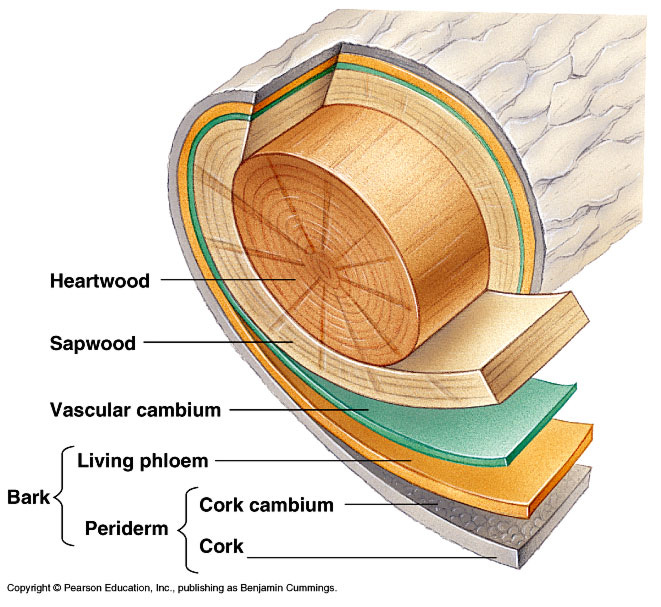
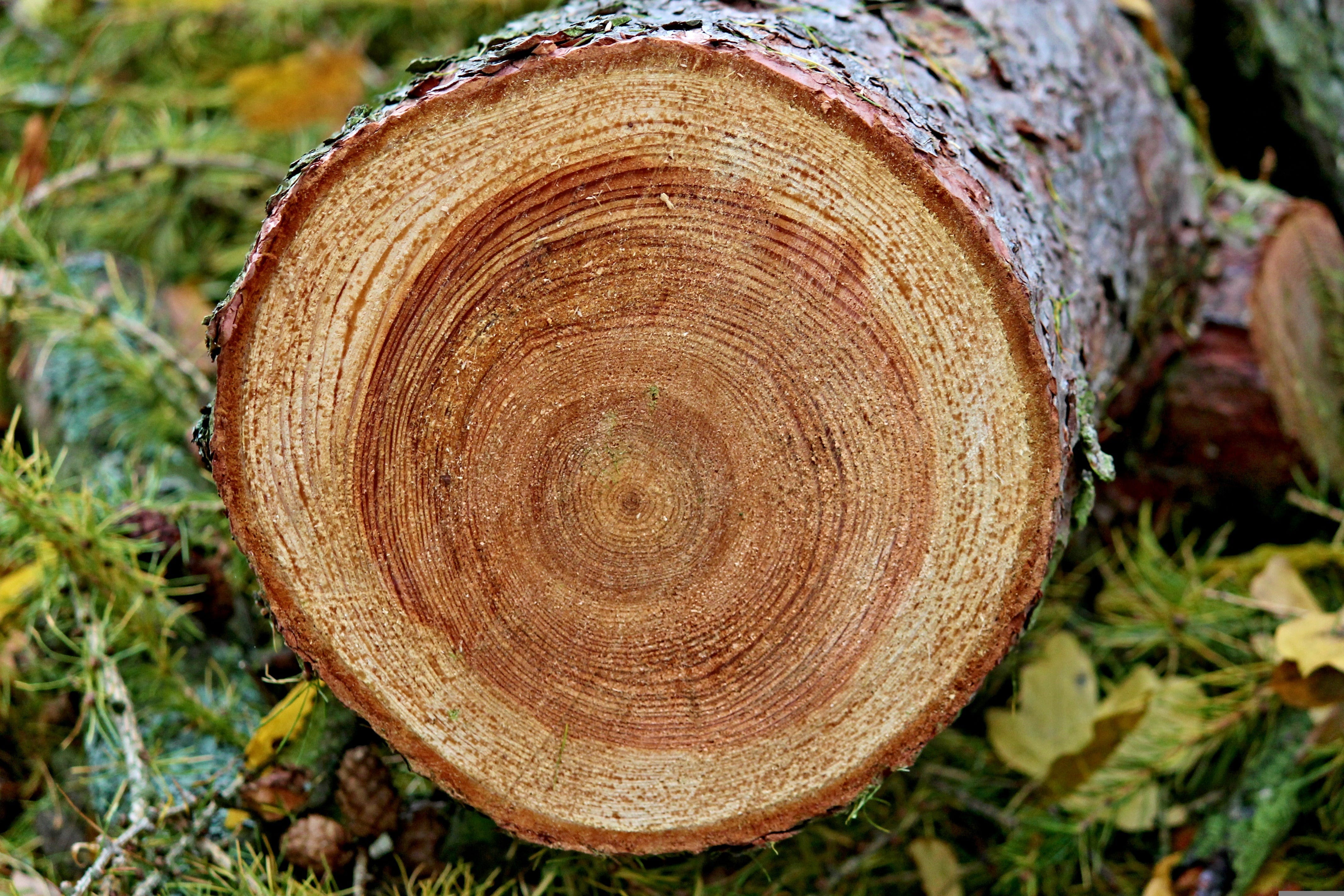
Let's envision a cross-section of a tree trunk or branch. Diametrical growth (secondary growth) takes place through a ring of undifferentiated tissue: the (vascular) cambium (there’s also a cork cambium, but let's leave that aside!)
In a simplified manner, we can say that the cambium consists of a continuous ring of undifferentiated cells that multiply and, at the same time, differentiate. This process increases the layers of cells composing the plant's body and ultimately forms the various plant tissues1.
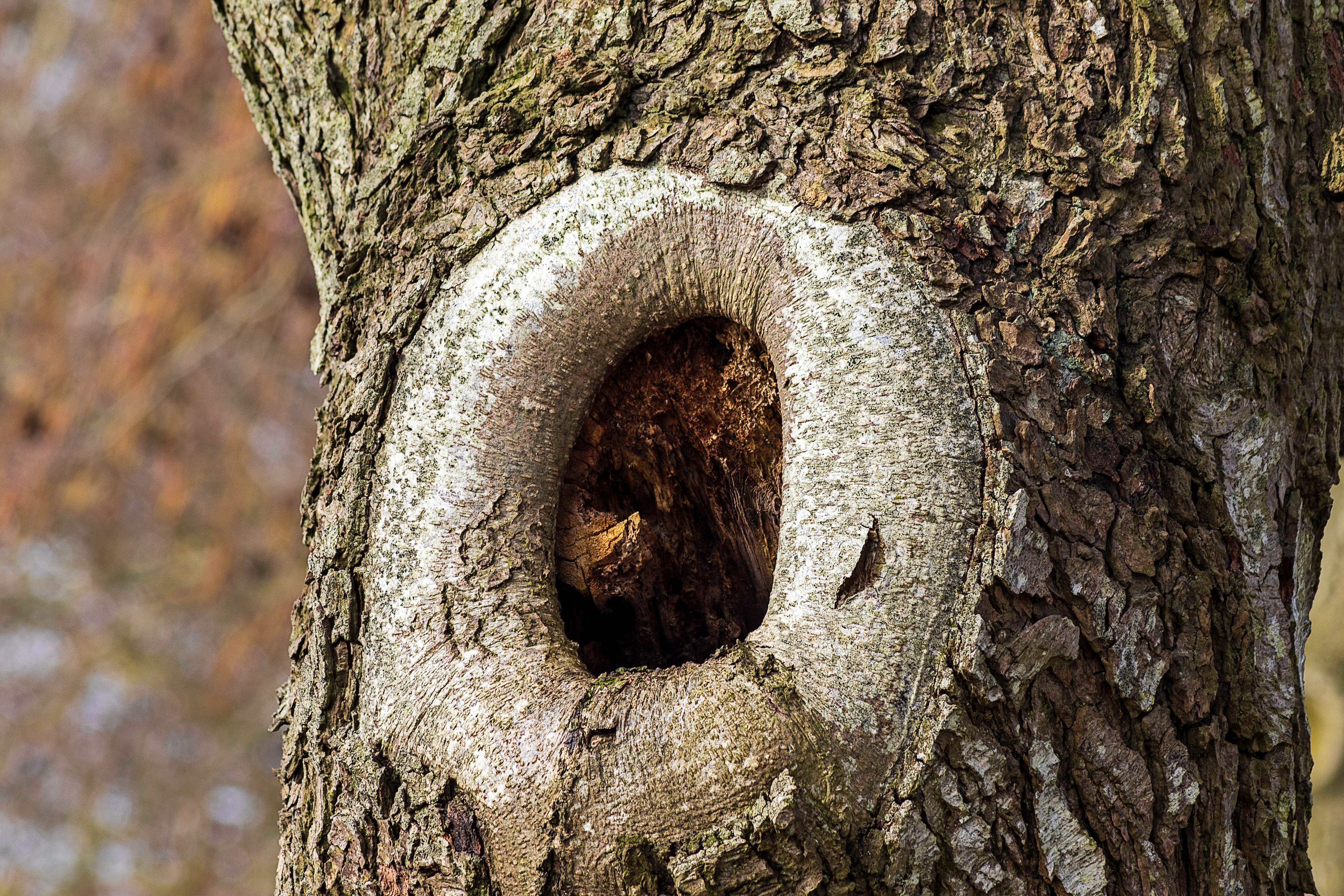
Due to its undifferentiated and "generative" nature, the cambium ring, often in combination with other tissues adjoining it, is responsible for the formation of a ring-shaped scar tissue2 when a branch is pruned: the inner portion of the wood is in fact incapable of producing new cells and consequently new tissue.
The formation of scar tissue depends on many factors, but it is clear that the extent of its development is limited by the layers of cells that are activated for its formation. This explains the recommendation to make cuts with a small diameter: if the surface of the cut is too large, scar tissue will not have the strength to extend over the entire area of the wound, leaving the inner portion of the wood exposed.
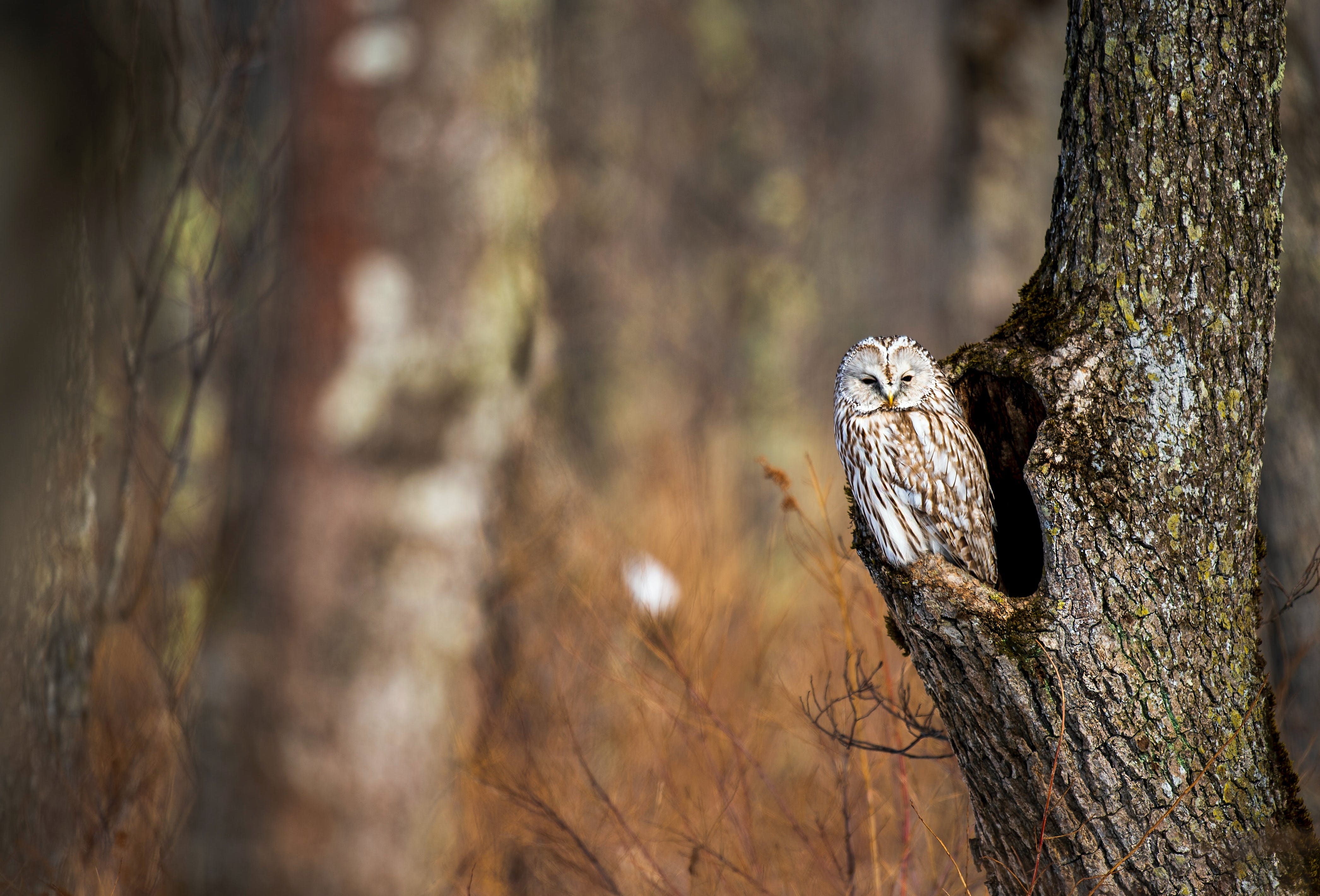
And why can the exposure of the inner portion of the wood be dangerous for the trees? Despite its ability to compartmentalize infections by forming barriers3, wood lacks the ability to heal. Consequently, it becomes particularly vulnerable to attacks by xylophagous insects (those who eat wood) and fungi, if it is not properly sealed. Over time, this vulnerability can lead to the formation of rot and cavities within the wood (delight of wildlife!), potentially causing serious structural damage to the trees. This compromises their integrity and stability, and in the most severe cases, can result in a slow decline and eventual death.
That’s it.
This time, I've taken a more discursive approach in the article. For additional information, refer to the notes below.
In particular, (vascular) cambium cells that multiply towards the inside of the ring will form the (secondary) xylem, the “heart” of the wood. This tissue is responsible for transporting water and mineral salts from the roots to the leaves. Simultaneously, cells that multiply towards the outside of the ring form the (secondary) phloem, which transports organic substances from the leaves to the rest of the plant.
In many trees, xylem exhibits a distinct division between alburnum (sapwood) and duramen (heartwood). Alburnum, light-colored and composed of living cells positioned close to the cambium ring, is indeed the portion of xylem really responsible for transporting water and nutrients. Duramen, dark in color and positioned in the innermost portion of the trunk or branches, consists of metabolically inactive cells, often completely lignified. It is impregnated with substances such as tannins, essential oils, and resins, serving a supporting function for the whole plant, providing structural strength and protection.
In tree care, callus forms rapidly after pruning, originating from cambium and other tissues (of course excluding the inner portion of the xylem). It consists of homogeneous, undifferentiated cells that close small wounds. Woundwood, defined as wood organized with lignin, develops from callus or cambium undamaged by pruning. It effectively seals larger wounds and is visible within the first growing season. The scar tissue we recognise on our trees almost always consists of woundwood.
In response to wounds, at cellular level trees can develop both physical and chemical barriers of protective compounds (mainly phenols) that encapsulate the affected area and mitigate potential effects. Typically, if the tree was in good health before the injury, it can close the wound and contain any infection through a process known as compartmentalization. This process serves as a mechanism for trees to regulate invading organisms. It's not a healing process per se, but rather a strategy for the tree to prolong its lifespan under the added stress of a wound (the well-known biologist Alex Shigo addresses these issues extensively in his works).