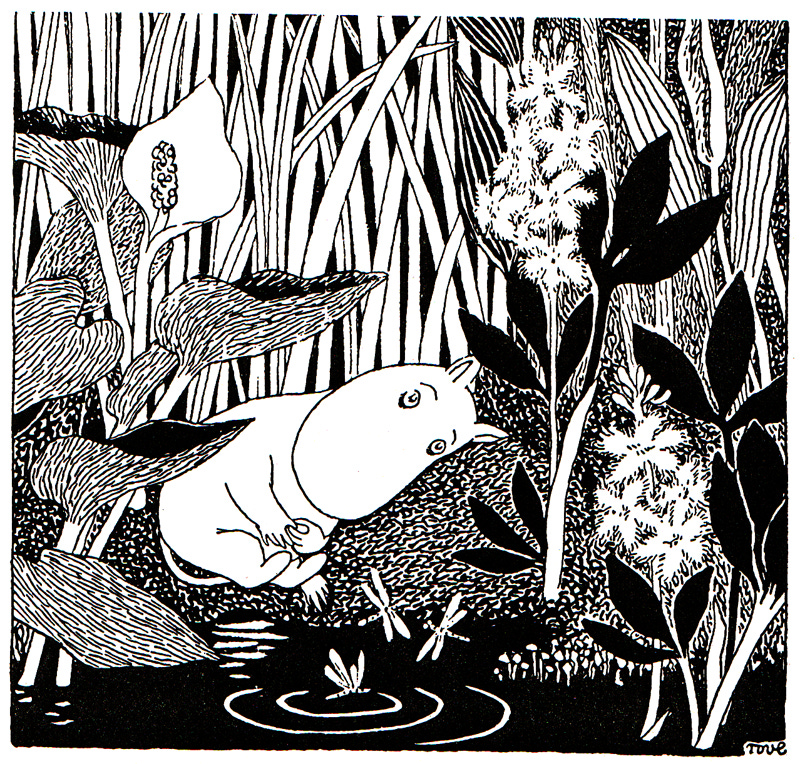
Natural pond illusions
Sometimes there's no pond around the pond

![Moriarty, D. (2017). Seat Pond [Photography].](https://substackcdn.com/image/fetch/$s_!wHrn!,f_auto,q_auto:good,fl_progressive:steep/https%3A%2F%2Fsubstack-post-media.s3.amazonaws.com%2Fpublic%2Fimages%2Fb62c402c-a0bb-43ca-8405-04b84ff1cdec_2853x1941.jpeg "Moriarty, D. (2017). Seat Pond [Photography].")
Given that winter, typically mild in my area, has been notably absent this year, I'm already gearing up to begin spring work. That's why I've chosen to delve into the topic of ponds.
There are essentially two ways to create a pond in the garden: one involves using a plastic sheet, laid at the bottom of a previously dug hole, allowing for customized ponds in terms of size and shape (within limits); the other method uses pre-formed resin containers, available in various shapes and volumes, to be buried. The focus of this article is not to describe pond-making techniques, as there is plenty of information available here and there. Instead, the focus is on riparian vegetation.
What characterises a watercourse or a pond in nature, and what makes that type of environment so special and attractive, is the riparian vegetation. This vegetation consists of a variety of grasses and plants that populate the strip of interface between the water and the surrounding area. These plants are adapted to survive and thrive in completely or almost completely saturated soils, often partially flooded depending on the topography, the region, or the time of year.
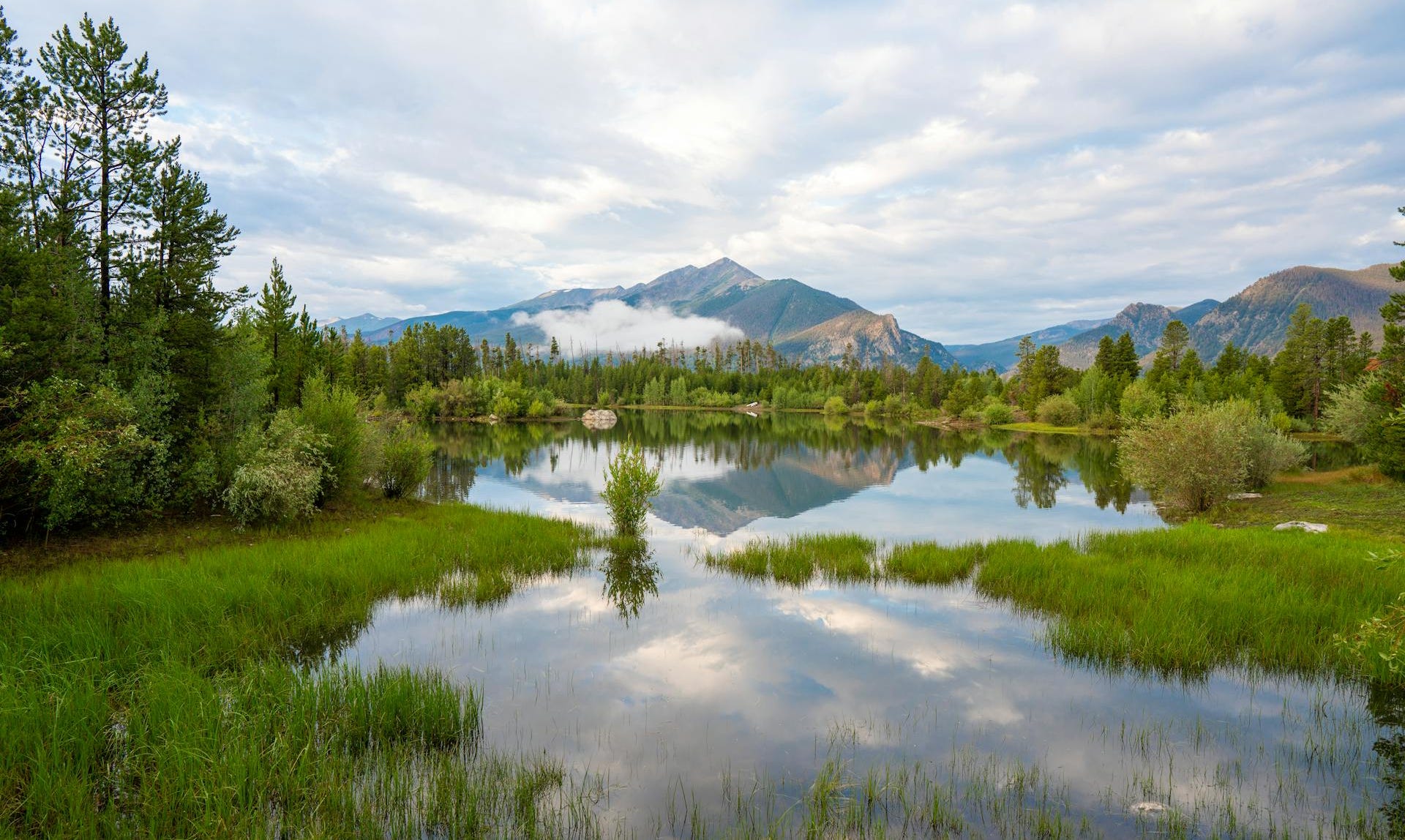
The type of riparian vegetation changes radically depending on the environment we consider. Nature offers a variety of water bodies, from mountain streams to the silty bends of slow-moving lowland rivers. I don't have the expertise to analyse and describe all riparian plant populations in nature, nor is it the intent of this article. I focus on gardens, which are illusion, as I always say. Gardens are artefacts that often try to simulate natural environments, tailored to our tastes, desires, and our idea of what nature should be (usually something that doesn't correspond to reality).
The significant issue arises due to the construction techniques employed for garden ponds, which can hinder the cultivation of riparian species. This occurs because, for structural reasons, the saturated and partially flooded soil strip necessary for the survival of this vegetation type is often absent. While one can partially address the problem by placing pots just under the water's surface, it's not quite the same (though a clever workaround!).
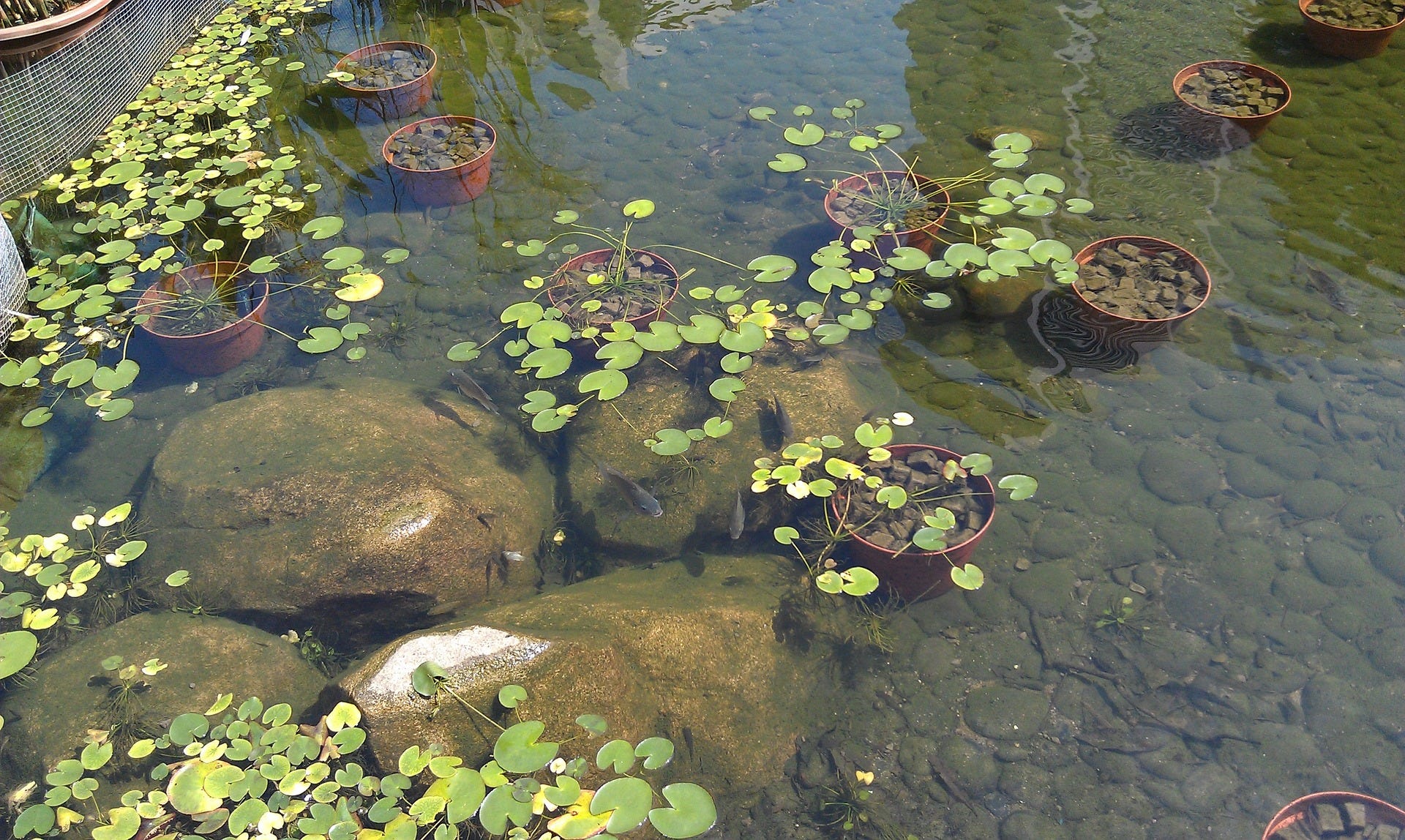
Think about it: in ponds made with sheets, they are typically held in place at the edges by flat stone slabs, leaving no gradual transition. In-ground resin ponds, on the other hand, have a clear outer curb that separates the garden soil from the flooded pool. In such setups, one could potentially plant lavender, just to mention an arid-loving species, just beside the water!
To avoid such ecological inconsistencies (which may have their stylistic appeal), there are essentially two approaches: creating a genuine bank of water-saturated soil or imitating riparian vegetation with plants that can thrive in an ordinary garden setting. While the first option is appealing, it's not always easy to implement. Hence, I'll focus mainly on the second. After all, isn't gardening all about creating illusions?
I will now provide two examples of setups, depending on whether the pond is situated in a shaded area of the garden or in full sun. The concept is always to draw inspiration from nature (after all, what riparian vegetation could I imitate otherwise?) while making necessary generalizations (as intriguing as tropical amphibian environments may be, I will focus on the temperate climate zone). For the plant selection, I have chosen the most common and readily available options (at least in my area!).
Trivial tip: fake riparian vegetation should be planted as close to water as possible, preferably in fertile, well-drained soil. As for the layout, you will have to make your own arrangements, but the usual trick applies: taller plants at the back and lower plants immediately beside the bank. Always consider which is the main viewpoint from which to view the pond.
Display 1: Shady Pond
It's quite challenging to replicate nature in this scenario. Typically, small or shady ponds in temperate forests lack true riparian vegetation, featuring instead a diverse array of mosses and some ferns in the moist soils near the water. In this case, I'll have to rely on inventiveness, drawing inspiration from the archetype of the shady pond.
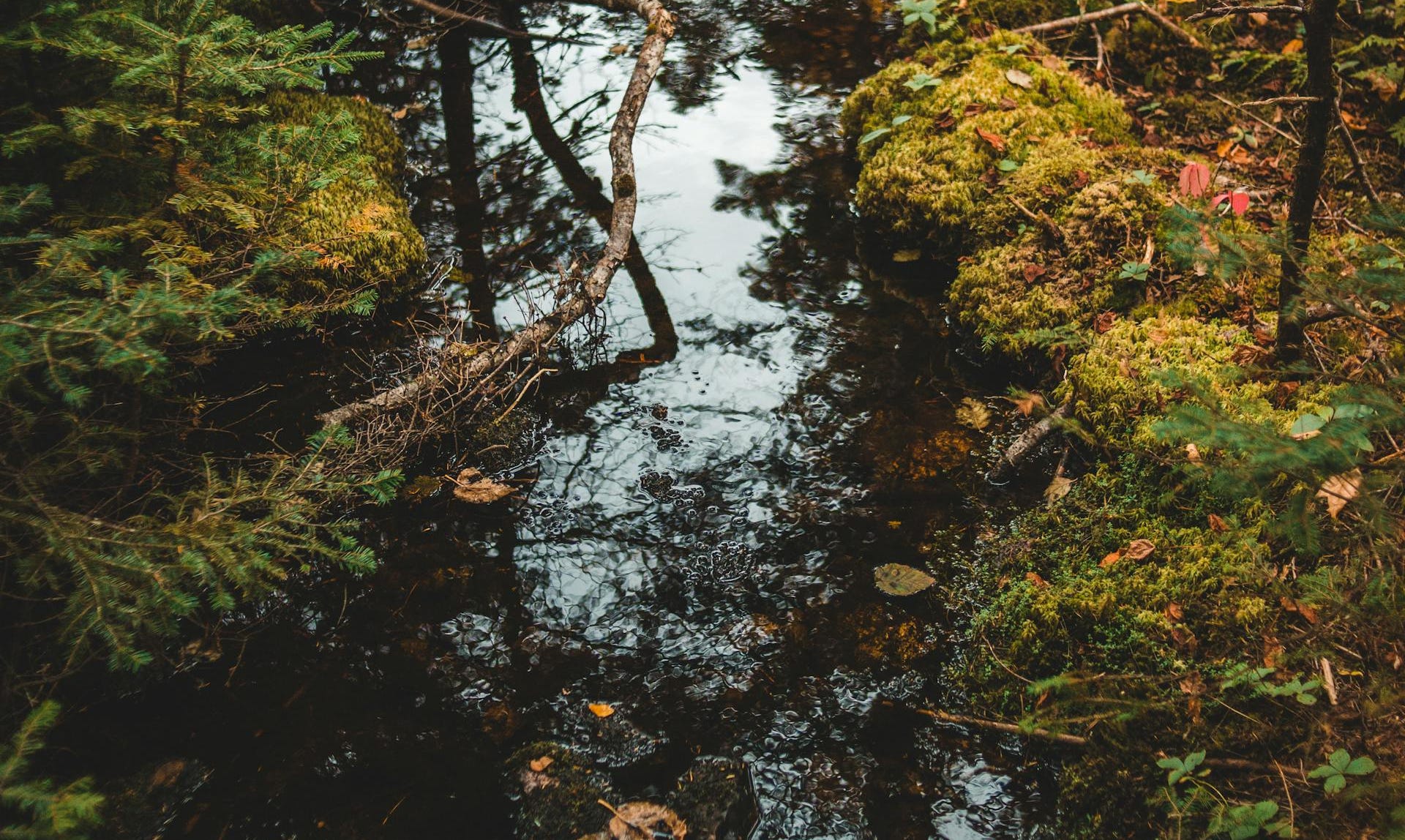
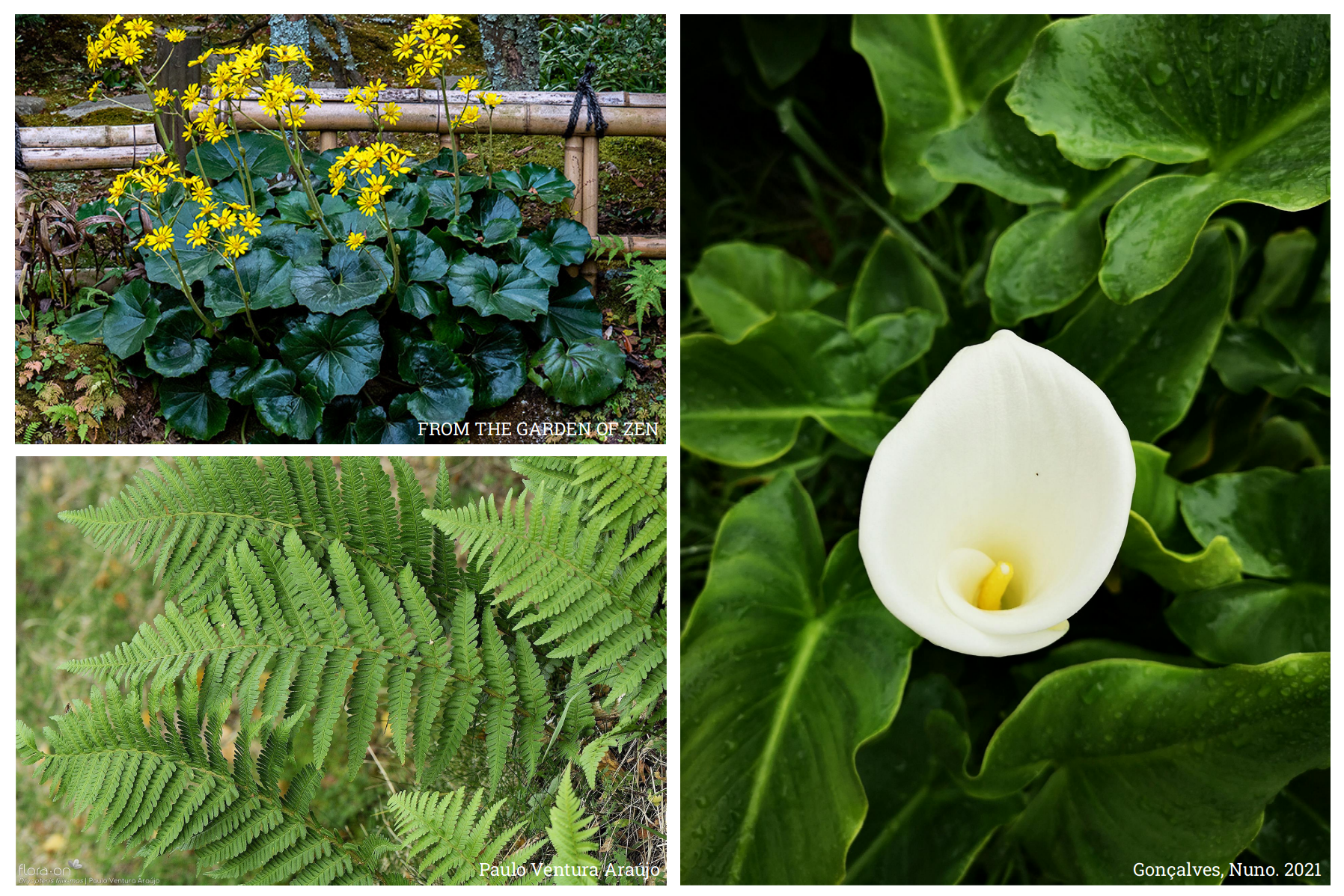
What's needed here is a variety of lush foliage, rich and soft greenery with an almost tropical vibe. So, which common shade tolerant perennials can fulfill this role? I've considered a few options. Farfugium japonicum (leopard plant), Zantedeschia aethiopica (calla lily), and species of the genus Hosta offer extensive leaf blades in various shades of green, textures, and shapes. At first glance, the leaves of Farfugium may resemble those of a water lily, so exuberant that they appear to have grown out of the water!
For the “grasses” section, I've thought of Acorus gramineus (japanese sweet flag), with its golden green hue (this really is a riparian species!), and Iris foetidissima (stinking iris), known for its upright, broad leaves. And of course, ferns with their light and airy foliage are indispensable. I've considered Dryopteris filix-mas (male fern), but any shade-loving fern would suit the role just fine.
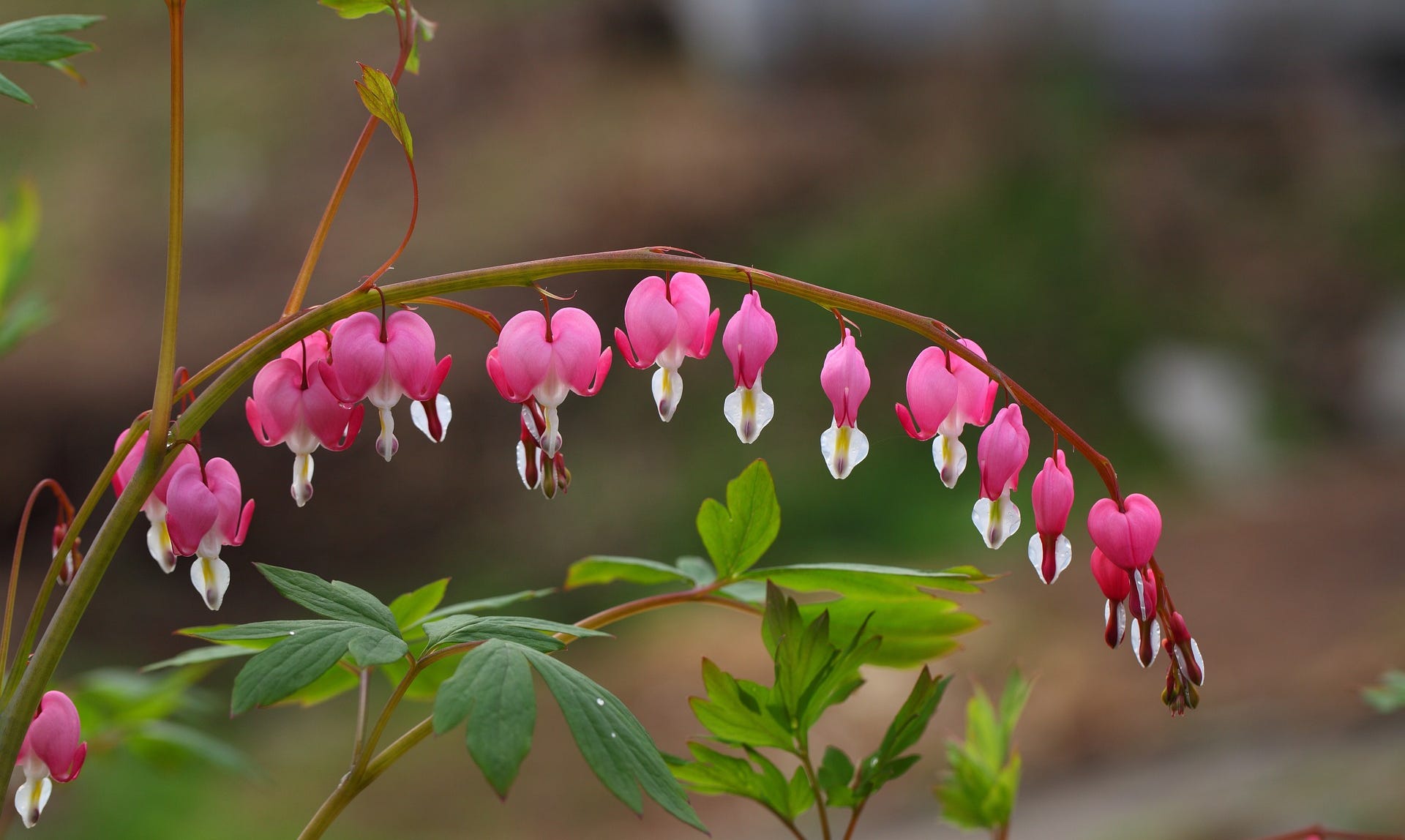
To complete the setup and add a further floral touch with a romantic feel, I believe that Lamprocapnos spectabilis (bleeding heart), with its pendulous racemes reflecting on the water's surface, along with the ever-popular Geranium “Rozanne” and its gentle intrusiveness, would perfectly complement the image of this pond existing only in my imagination.
Display 2: Sunny Pond
This second setup is much easier to visualize because it takes inspiration from the grassy banks that typically line slow-flowing streams or the wet, semi-flooded meadows of those wonderful places like marshes or bogs. Cattails, sedges, irises... Grasses!
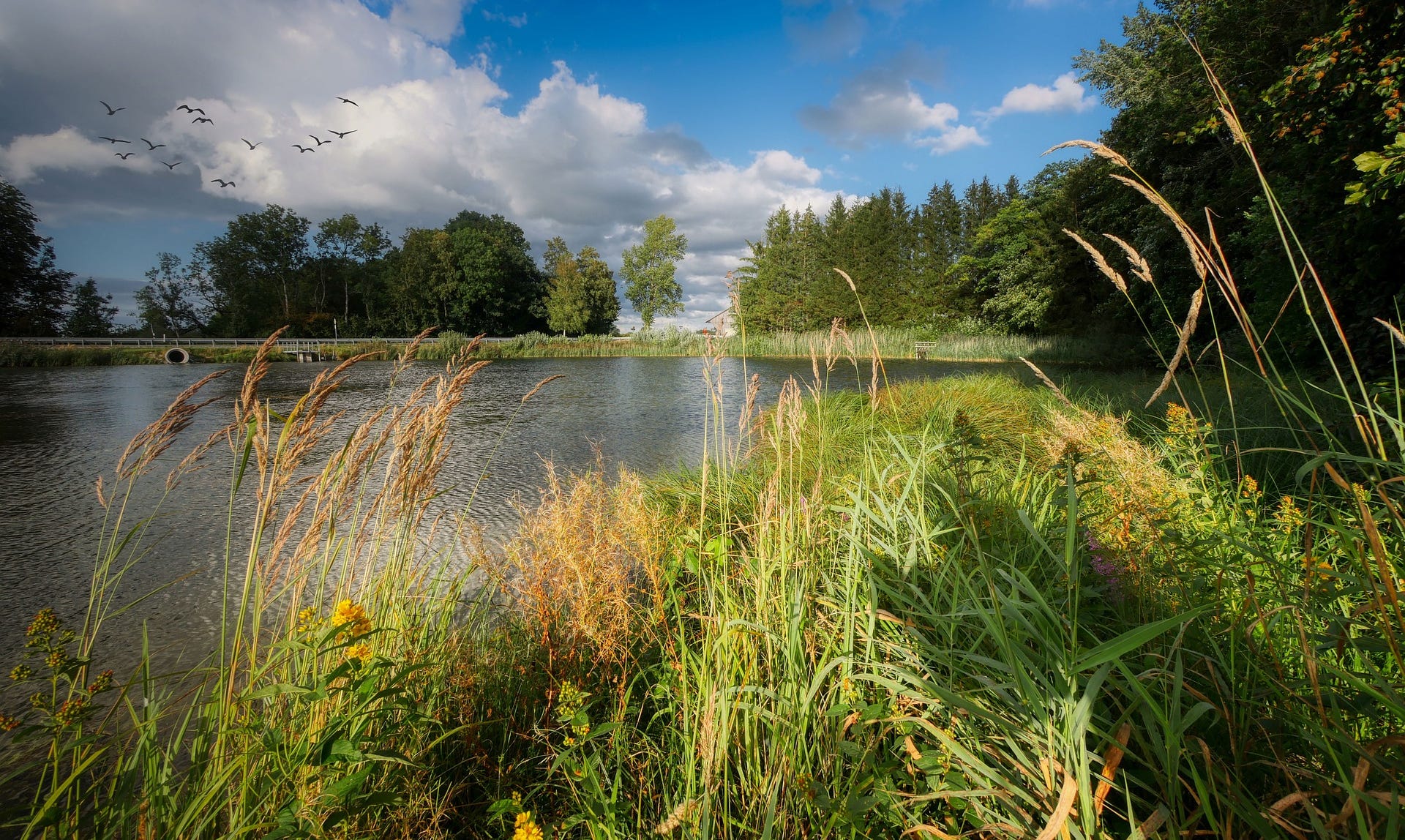
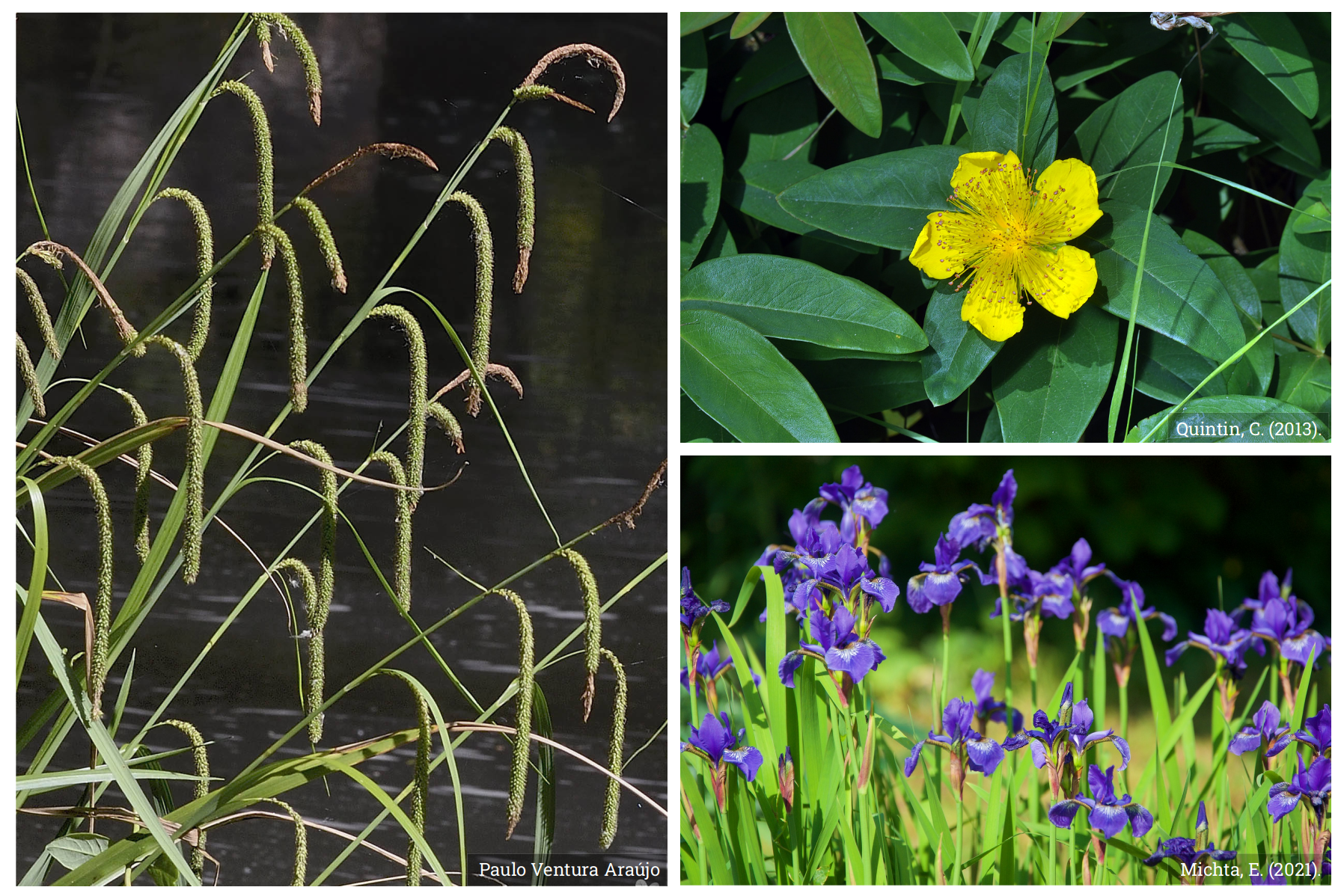
Let's explore what can replace this wet-footed vegetation. In the section on ornamental grasses, there are numerous options available. Nevertheless, as each plant could potentially become invasive somewhere in the world, I would avoid uncontrolled dissemination by selecting grasses of the genus Carex (which are precisely the sedges), known to be less exuberant than many Poaceae. Additionally, I would opt for the tried and tested Calamagrostis x acutiflora “Karl Föerster” (feather reed grass), a renowned classic that, if I am not mistaken, is a sterile hybrid.
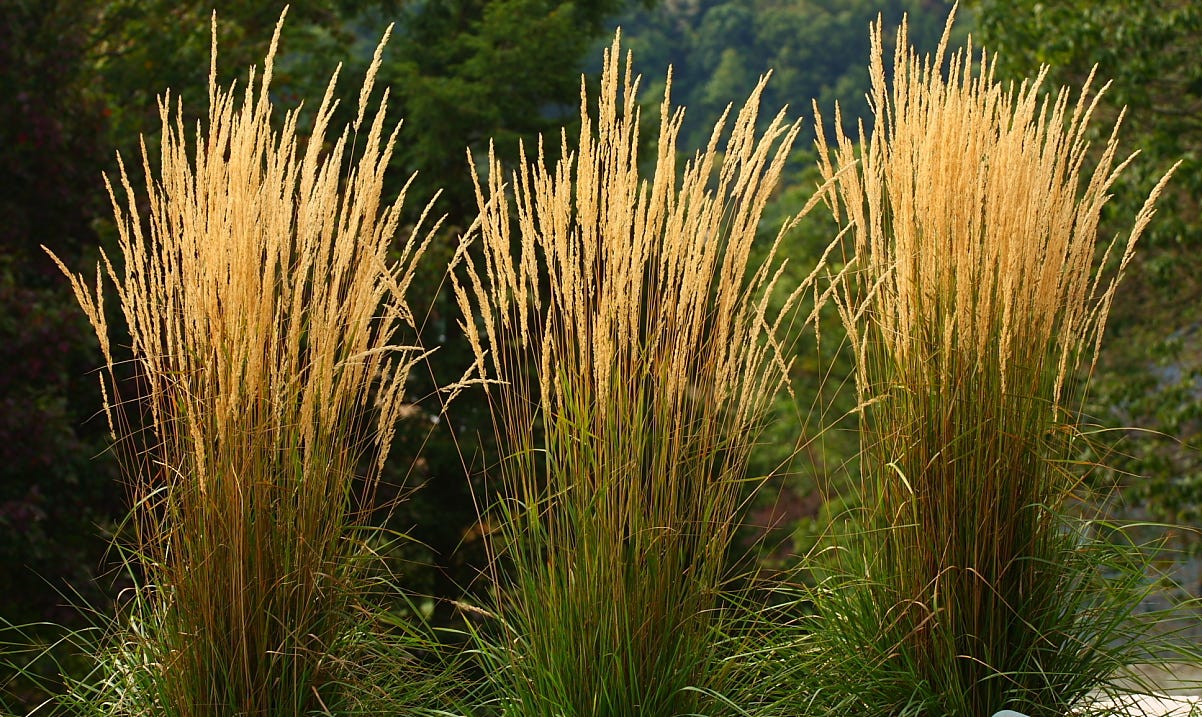
After establishing the backbone of our display with the planting of dense clumps of Calamagrostis and Carex (the latter available in various sizes and varieties, to be chosen based on the size of the pond), it is time to consider other plants.
In the “broad-leaved” category, irises are essential. There are endless choices available, so feel free to choose what you like, but caution is advised with Iris pseudacorus (yellow flag iris): while it is really a riparian plant, it can be invasive in certain regions such as the USA.
Hypericum calycinum (Aaron’s beard) is a low groundcover plant with distinct yellow flowers. Given its vague resemblance to marsh marigold (Caltha palustris), a staple among authentic riparian garden plants, I've decided to include it (most of the herbaceous Hypericus are actually fine.).
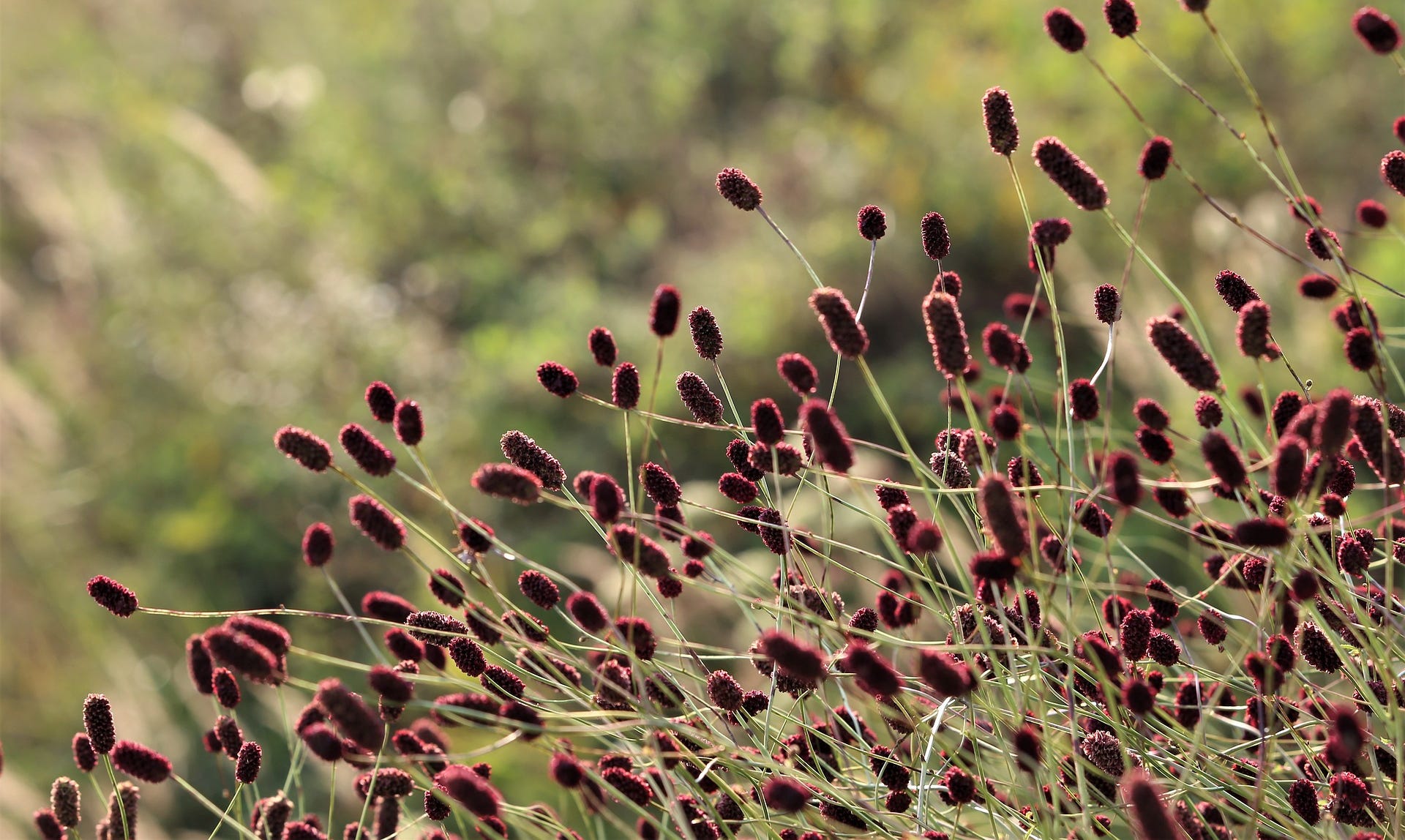
Completing the selection are Salvia nemorosa (woodland sage), chosen for its light, upright habit and beautiful inflorescences, and Sanguisorba officinalis (great burnet). I've included these last two perennials not because they're meant to mimic anything specific, but because they serve as a “pleasant extra”, a splash of colour that catches the eye amidst the vegetation. I could say I included Sanguisorba officinalis because, among the myriad of grasses, its oblong inflorescences might vaguely resemble those of Typha, the emblematic cattail that grows along rivers... But that wouldn't be true.
And that’s all.
General advice: avoid planting trees or big shrubs near ponds made of plastic sheeting or resin containers, as their roots can be very treacherous.