
How much to prune?
The pitfalls of over-pruning

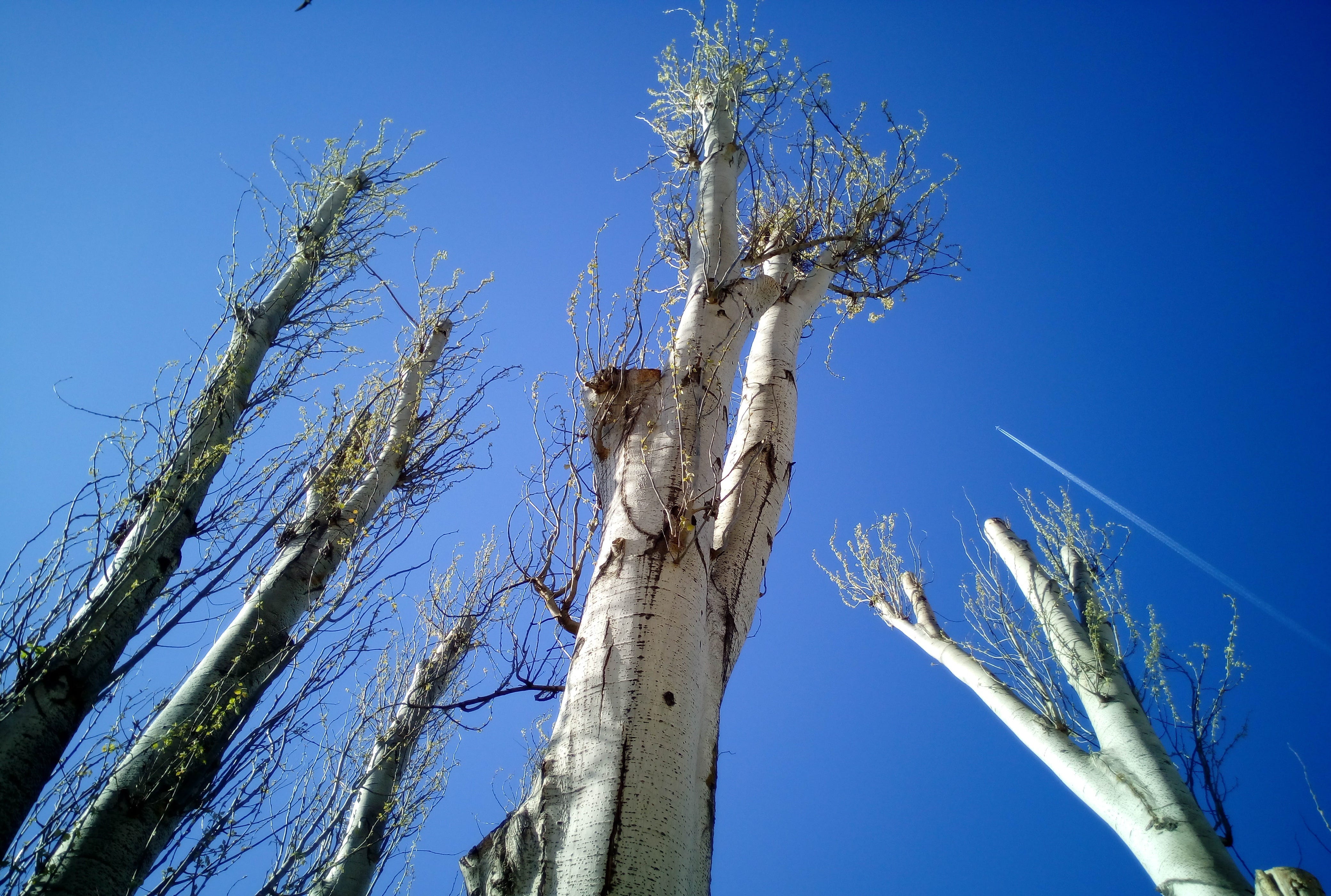
Look at the picture above. Those trees are forever damaged. As argued by Alex Shigo, often regarded as the father of modern arboriculture, tree topping not only destroys the dignity of the tree but also weakens it, rendering it potentially hazardous. If a tree must be topped, then it's time to replace it.
This, just to make things clear. Now let’s go on.
This article marks the second introductory query to unravel before delving into the more technical facets of pruning. Similar to the preceding article, I feel compelled to reiterate that my writings are distinctly general. They do not delve into the specifics of each unique plant, and focus primarily on trees. My objective is merely to provide guidelines and insights, facilitating an understanding of the underlying principles behind certain technical statements... And so forth.
Continuing in accordance with our customary approach (I make a point of not doing this every time!) let's take it a step further. So called storage carbohydrates serve as essential energy reserves. They generally consist of chains of simple sugars, which can be broken down into individual units as needed to extract energy for cellular metabolic processes. Among the most recognized storage carbohydrates in the plant kingdom is starch.
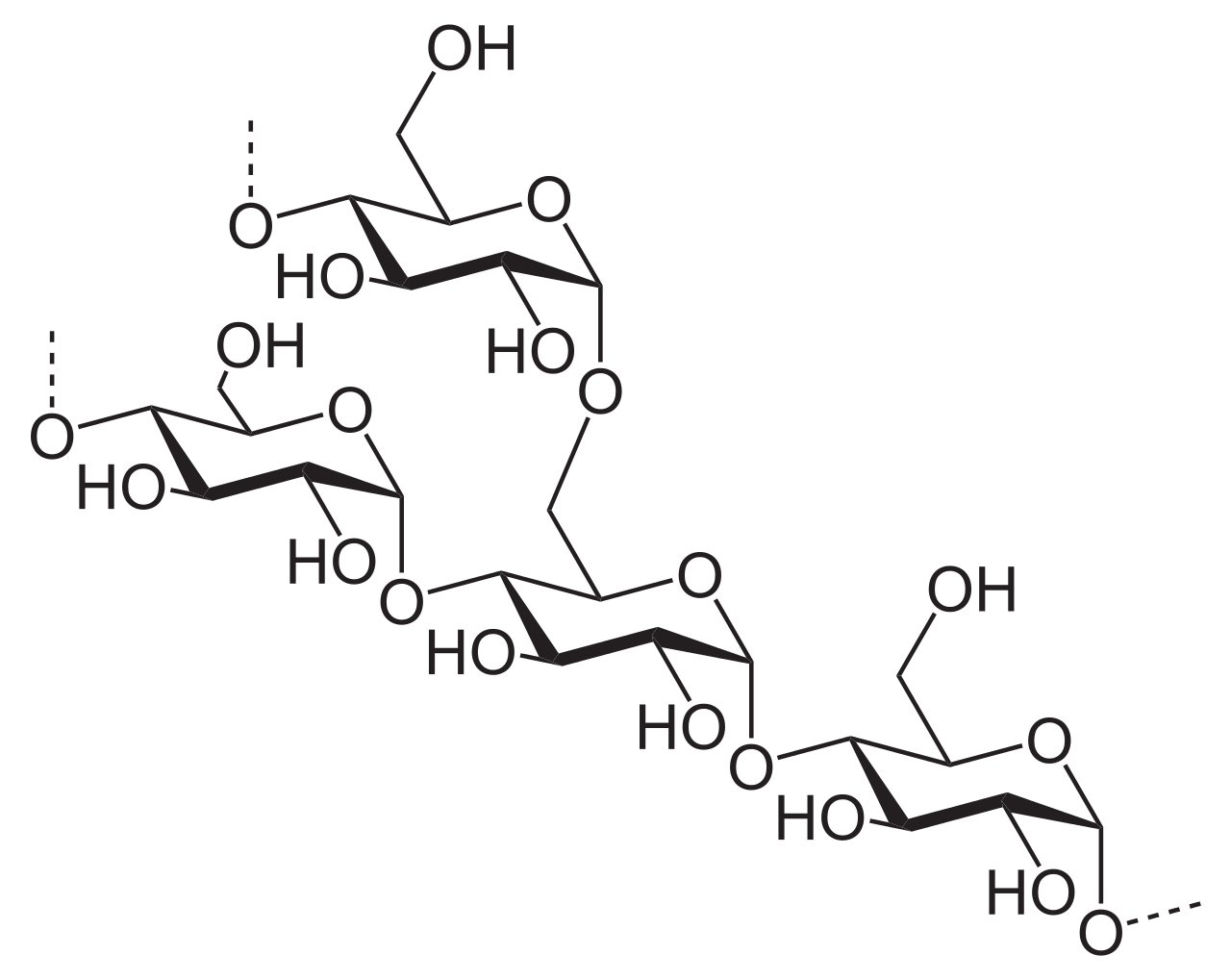
If several reserve carbohydrates have preferential storage sites, such as roots, starch is ubiquitous and usually the main storage carbohydrate in most above-ground woody plant tissues. In the case of trees, the entire plant can be considered as a storage organ, with storage carbohydrates commonly distributed across all perennial parts of the tree.
For trees, as well as the majority of plants, surviving the winter hinges on having adequate reserves, which are gradually consumed given reduced or completely absent chlorophyll photosynthesis, as in the case of deciduous plants. Buds often undergo some growth and development throughout the dormant season, and as growth resumes in the spring, the carbohydrate reserves in shoots and roots are typically exhausted, often commencing before budbreak. Additionaly, in some temperate deciduous woody species, such as various trees of the rose family (Rosaceae) like peach, apricot, and cherry, flowering precedes vegetative development, with the initial phases of reproductive growth relying entirely on reserves.
Considering this, it becomes clear how crucial the quantity of material we choose to remove from our trees during pruning is. This is why good arboricultural practices emphasize that no more than 25 to 30 percent of a tree's foliage should be removed in a given year.
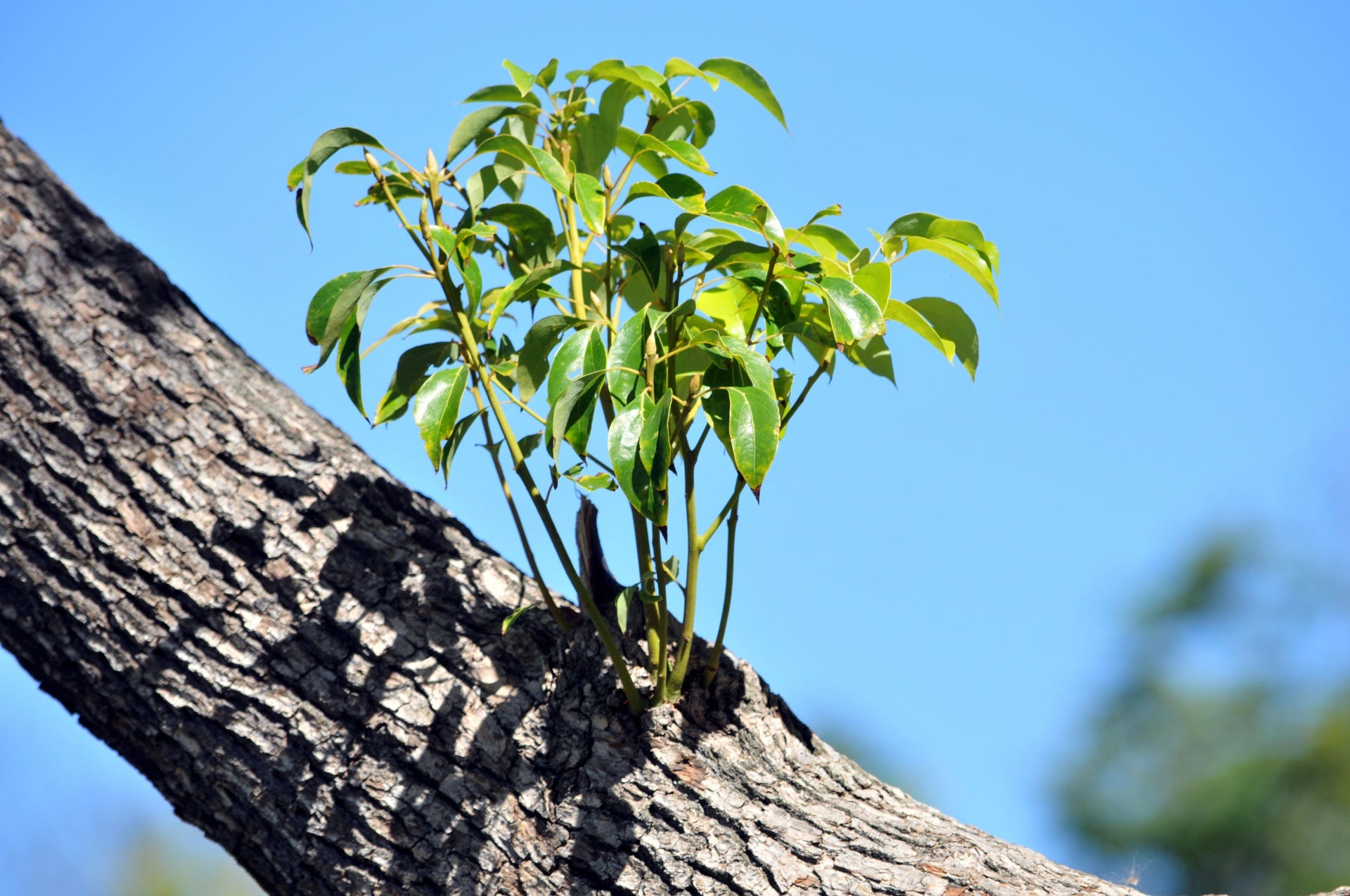
Over-pruning therefore detrimentally damages the trees' ability to draw on the energy reserves stored in the wood, leading to a severe compromise in their health and physiological balances. Moreover, and this is an equally crucial aspect, over-pruning compromises the photosynthetic capacity of plants, which will react to this loss with the over-production of a multitude of water sprouts (shoots arising from trunk and branches) and also suckers (shoots arising from roots) in the spasmodic attempt to recover the lost photosynthetic surface area, utilizing their remaining energy in this attempt. Over-pruning then, not only perpetually disrupts the plants' structure, already compromised by mutilations inflicted by abominable practices such as topping and pollarding, but transforms them into unsightly pincushions.
In summary, over-pruning leads to several adverse outcomes:
1) nutritional deficiencies, both in terms of the removal of the reserve carbohydrates necessary for the resumption of the vegetative phase and the severe depletion of the plants' photosynthetic capacity due to the direct removal of foliage.
2) Over sprouting with the formation of unattractive “emergency water sprouts and suckers” that will need additional pruning, creating a vicious pruning cycle that further harms the trees.
3) Compromising of structural integrity, with weakening of the remaining branches. In some cases, the tree might become too exhausted trying to replenish its canopy.
4) Attack by pests and diseases that take advantage of the prostrate state of the trees.
In conclusion, to put it plainly, the most effective pruning is the one that goes unnoticed. This type of pruning preserves the natural shape and structure of the trees, ensuring that the density of foliage remains evenly distributed across the entire canopy. Regrettably, these principles may not always be evident to clients. At times, despite a meticulous and well-executed intervention, clients may express dissatisfaction, deeming the pruning not decisive enough. But that, as they say, is another story...