
Heat and drought stress
Hamletic transpirations

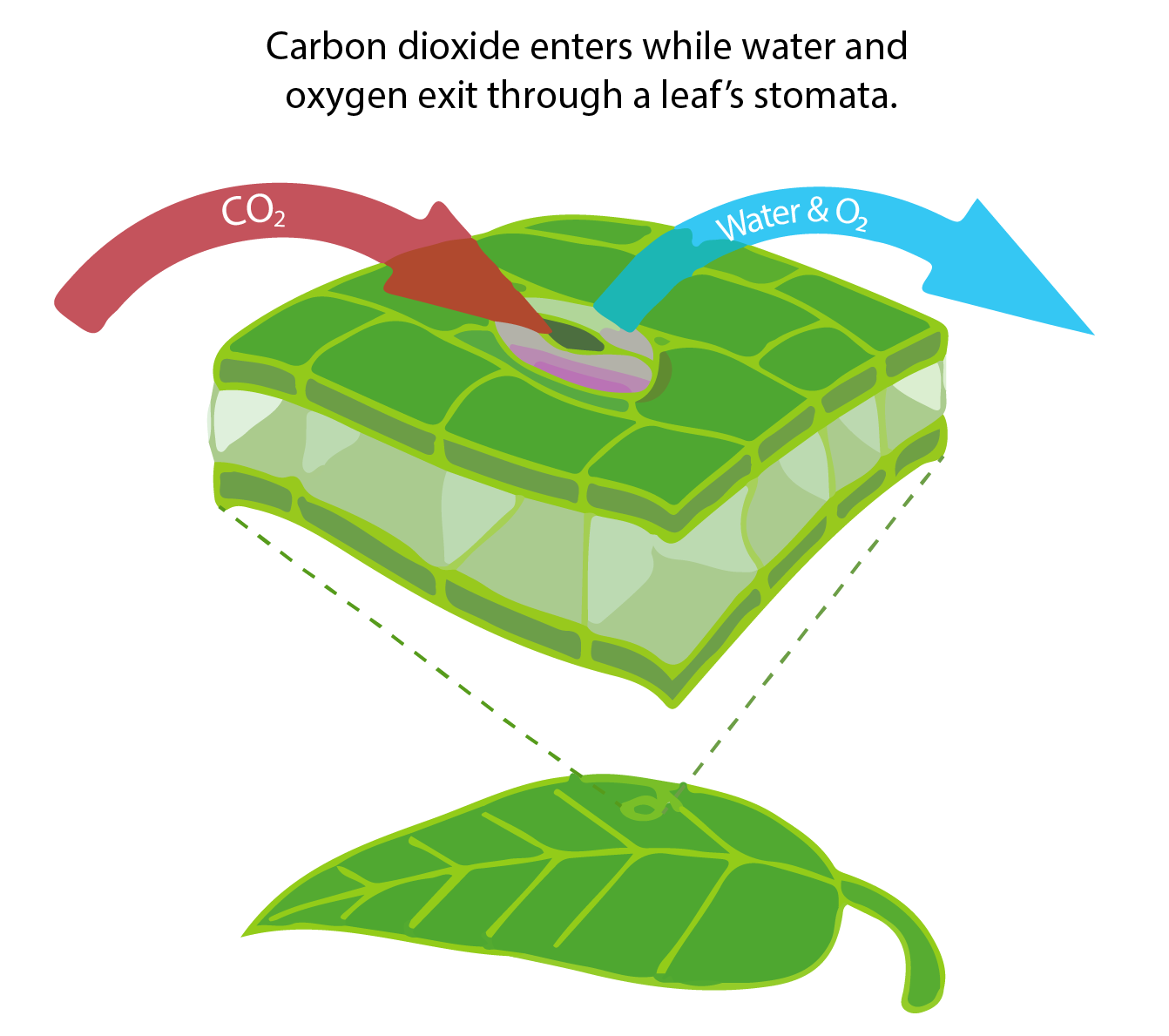
The stomata, microscopic openings on the leaves, control gaseous exchanges in the plants such as the assimilation of carbon dioxide, crucial for photosynthesis. The air spaces in the leaves are saturated with water vapor, which exits them through the stomata in a process known as transpiration (the last stage of water movement through the plant).
High temperatures, which often accompany drought, speed water loss from plants due to an increased transpiration rate. There are various strategies that plants can deploy to cope with this type of environmental stress: To put it simply, if the stomata are closed, the plants save water but have to suspend photosynthesis because plants cannot gain carbon dioxide without simultaneously losing water vapor. That's a matter of compromise.
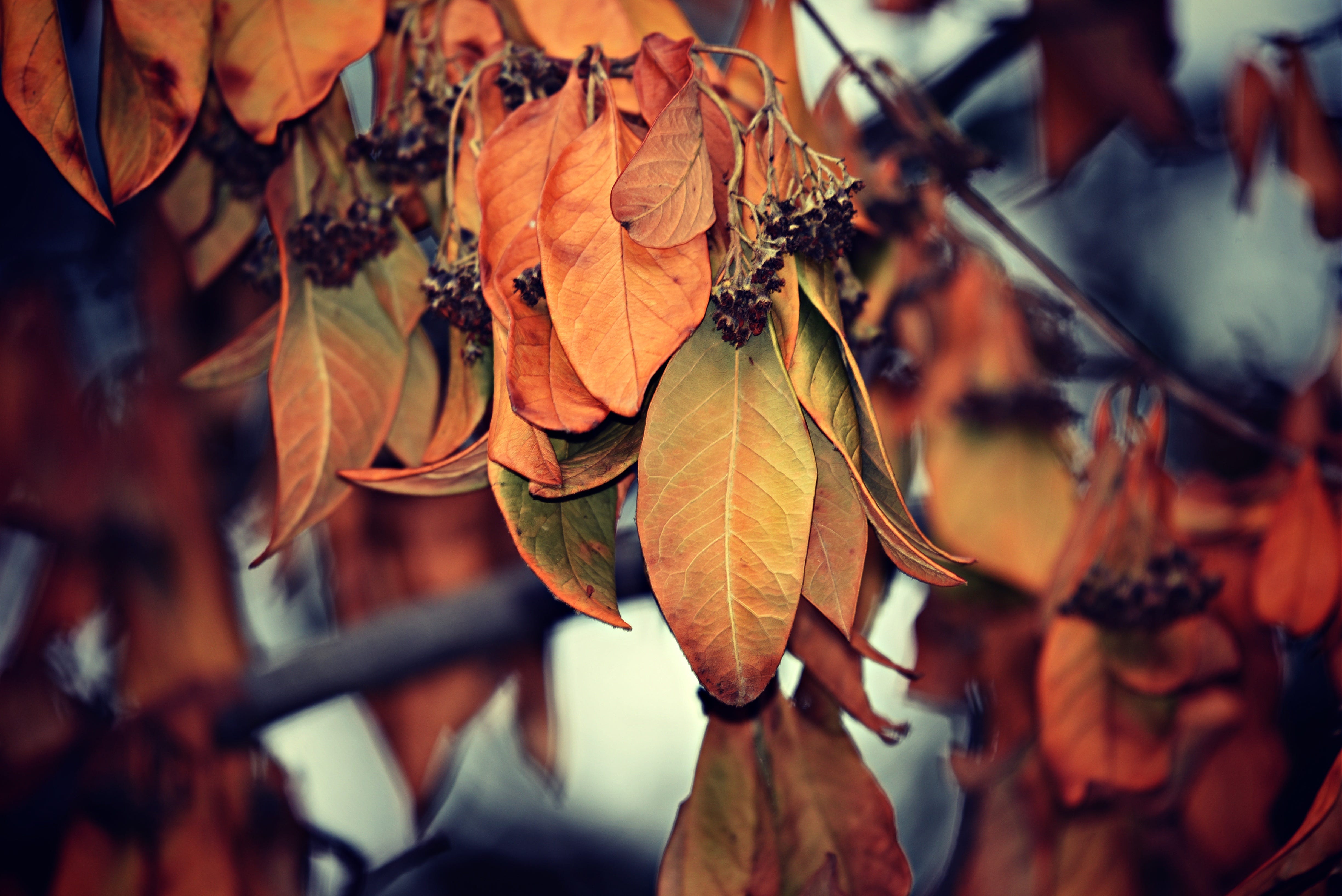
When, however, the adverse environmental conditions persist, the plants can go into distress. Signs of drought and heat stress on plants include foliage desiccation, browning leaves, leaf shedding, branch dieback, sunscald on branches, reduced new growth, leading towards a deadly decline.
Since dry or defoliated trees or shrubs often look inexorably defunct, their vitality should be checked. Gently incise the bark of a branch or stem: a bright green hue in the underlying tissue represents vitality and thus the capacity for vegetative recovery following proper care: prudent watering is thus essential. Water generously, allowing the soil to dry out between each intervention. Compromised leaf structures hinder transpiration, preventing the plants from getting rid of excess water, and there's a risk of root asphyxia if the soil does not drain properly and watering is excessive.
As a side consideration: since often drought damage only affects the leaves (thankfully), it is a good idea to refrain from pruning the plants before they have recovered, even if they are aesthetically intolerable: In order to produce new foliage, they will, in fact, need the energy stored in the tissues of as many branches and stems as possible (which may be ugly, but alive).