
Amplifying blooms
And feeling divine

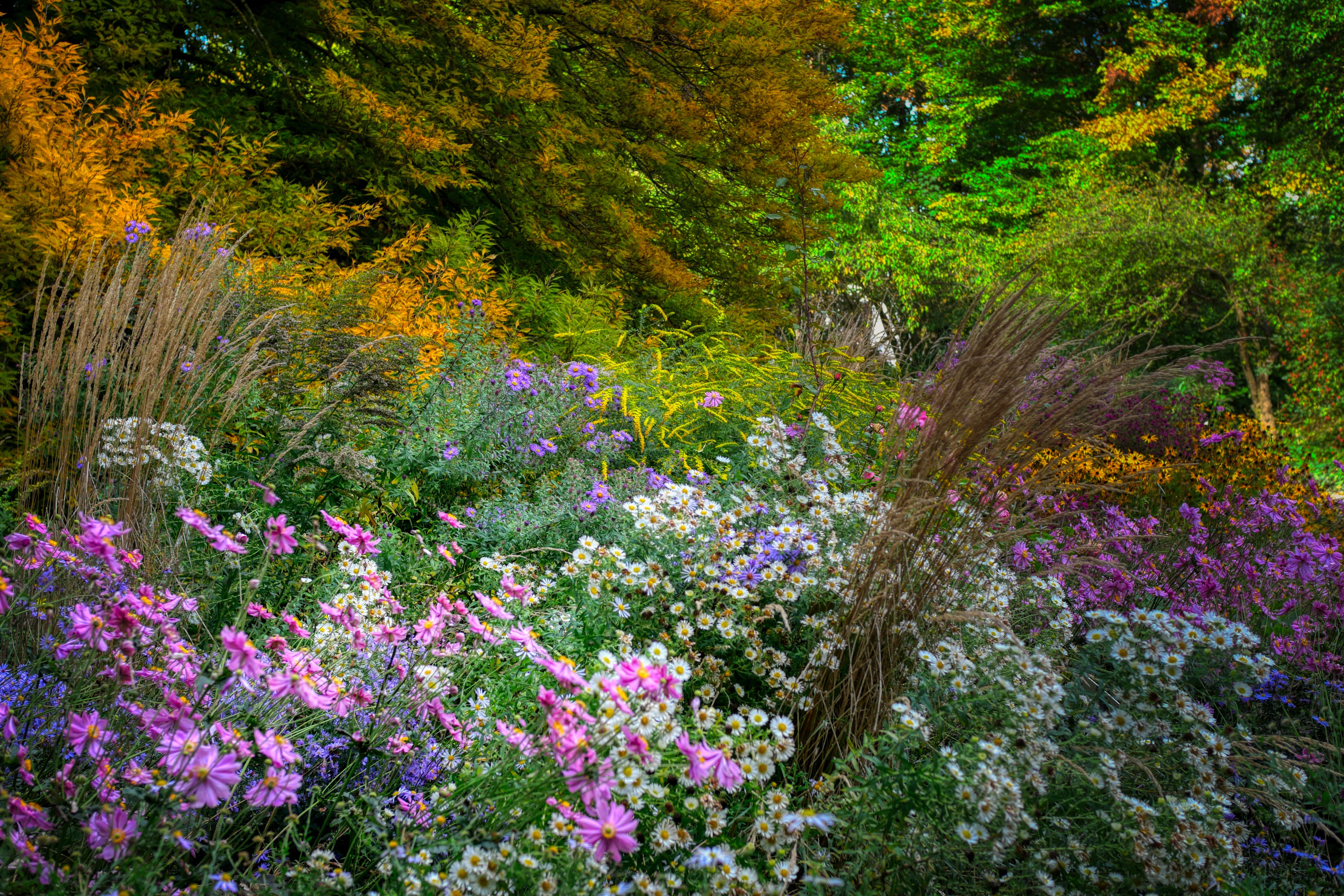
Creating a garden is as compelling and fulfilling as any other form of human creativity, with the distinction that in such a creative act one manipulates nature, in some way. The outcome, however artificial it may be, imparts a sense of possessing a kind of divine power: the ability to transform a barren and desolate yard into a blossoming glade, guarded by tall shrubs and leafy trees.
Modern landscape architecture and garden design are nothing more than the latest offshoots of a millennial culture entwined with the history of civilizations, that time after time has attributed sacred, utilitarian or aesthetic roles to gardens. Here, I’ll not presume to deal with the subject exhaustively, but humbly delve into its smaller facets with a hands-on approach.
The garden is an artifice and sometimes a clever illusion: it can bewitch the observer's gaze into perceiving what exactly it is not. When it comes to enhancing the perception of blooms, there are a few simple strategies:
1) Planting a minimum of three species that bloom simultaneously during a specific season or time of year can make the entire garden appear far more abundant in flowers than it actually is.
2) Adhering to the principles of garden design, it's beneficial to replicate specimens of the same species in different areas of the garden, aligning with the garden's style and structure to amplify the blooming effect and create a cohesive landscape.
3) Some species boast particularly striking and conspicuous flowers, capable of drawing all the attention and overshadowing other plants. When strategically positioned in the garden, these specimens can intensify the sense of blooming, or cleverly conceal areas that lack floral abundance.
Of course, in very confined spaces none of these tricks are really applicable. In such cases it is advisable to indulge in a more glamorous and eclectic approach, as long as the presence of rich blooms is what you want for your garden.