
About 'genius loci'
And other pleasant considerations

How many no's I have to say. People entrust their botanical desires to me, and I often find myself clipping their wings, saying, “No, ma'am, we can't plant an expanse of azaleas here. They are acid-loving plants, and the soil is too alkaline. See those limestone outcroppings? It just won't work.” Suggesting that tons of chelated iron could temporarily fix the problem would only make the light in the client's eyes even harder to extinguish. Better to avoid!
The truth is, especially in the realm of landscape design, achieving a successful outcome hinges on gaining the metaphorical benevolence of the genius loci, the protective spirit of a place in ancient Roman belief. In practical terms, it requires a meticulous study of the site where the new garden will thrive, a deep understanding of its ecological and environmental parameters. This encompasses everything, from the obvious and macroscopic factors like climate (temperature, sunlight, and rainfall) to the site-specific details.
Considerations must be made for the future garden's exposure and potential shadows cast by trees and buildings, which affect its overall microclimate and insolation. Altitude plays a role in temperature variations, soil composition matters both structurally and chemically, lastly the type of water and its chemical properties are equally important. All of these factors (and some more) must be considered comprehensively, and sometimes even within the same garden, there are areas with distinct ecological characteristics that require proper evaluation.
Having completed the site assessment, the gardener can finally compile a shortlist of plants that are best suited to those specific environmental parameters. It's about placing the right plant in the right place, a task that can only be accomplished by someone who possesses the knowledge and cultivates. Attempting to defy insurmountable growth limits invariably leads to frustration and unnecessary expenses for the client. Hence, the age-old maxim holds true:
It is wiser to adapt our desires to the garden than to expect the garden to adapt to our desires.
I understand it may sound cliché, but countless times, this fundamental concept is systematically overlooked.
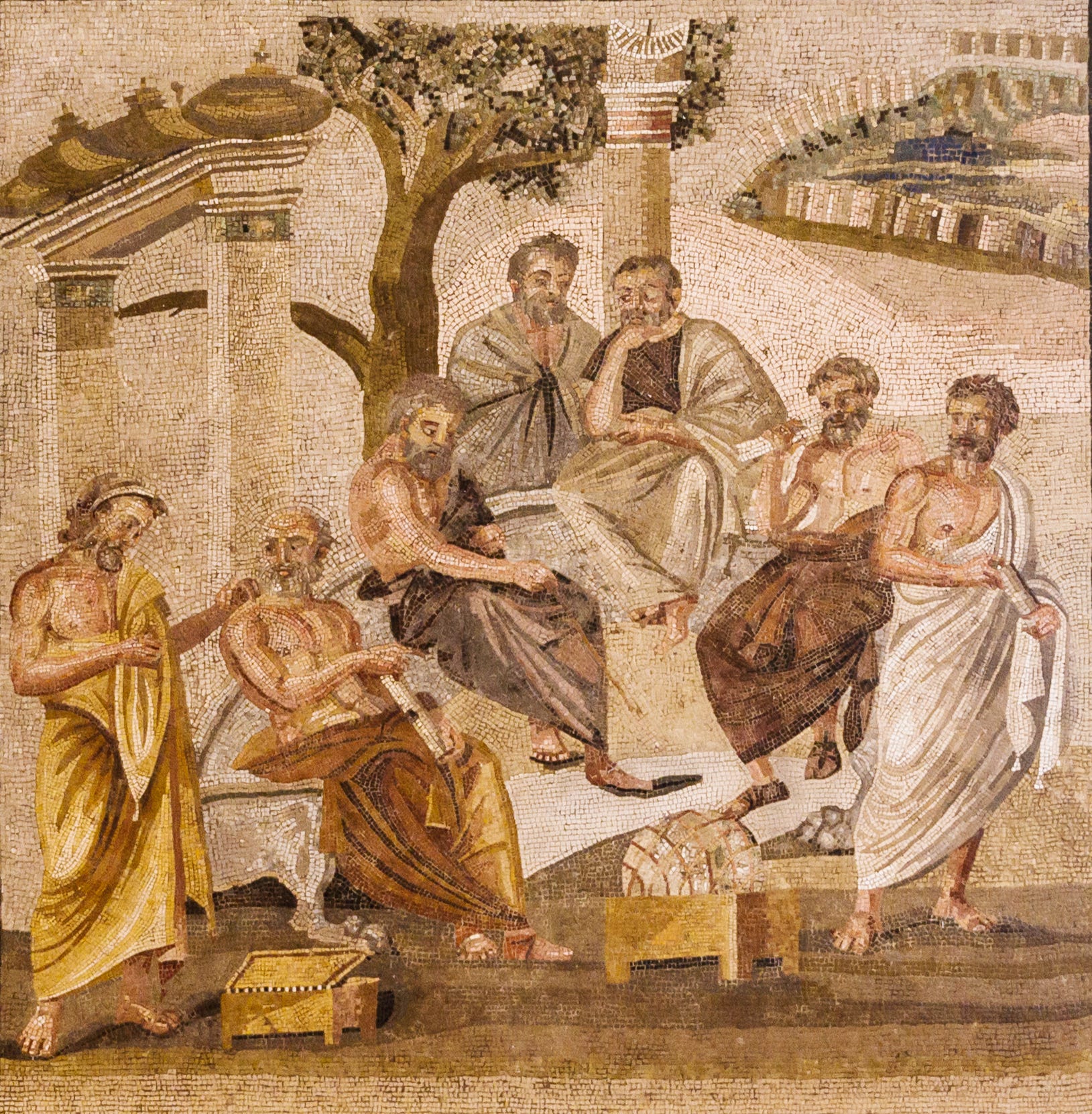
I’m done, the “Plato moment” is over.